
Placenta Health: Why It Matters for Baby’s Growth
Medically Verified by – Dr Humaira Siddiqui M.B.B.S, M.S (Obs & Gyne)
Placenta health during pregnancy matters a lot for the baby. It supports growth and development inside the womb. It also helps keep the baby well during the entire pregnancy. Many parents focus on the baby’s size or heartbeat. And also watch for movements. Meanwhile the placenta is doing important work in the background. It feeds the baby. And it protects the baby. It helps the baby survive and grow. A healthy placenta often means the pregnancy is going well.
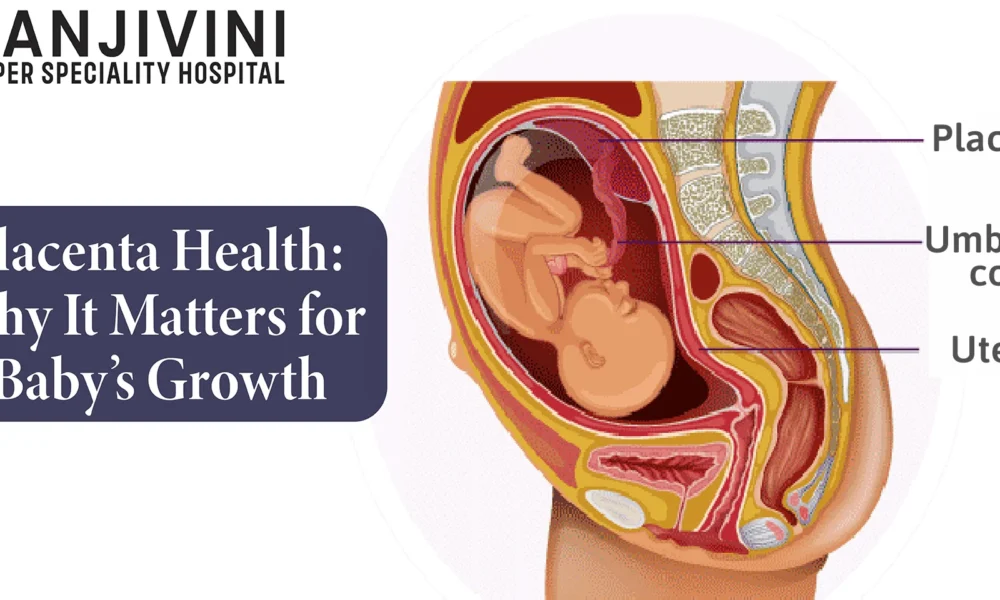
The placenta is a temporary organ. It forms early in pregnancy. As it connects the mother and the baby through the umbilical cord. It brings oxygen and nutrients to the baby. It also carries away waste from the baby. When the placenta is not working well it can affect the baby’s growth. It can also lead to problems during pregnancy. This guide talks about what the placenta does. It explains why it is so important for the baby and more while you continue reading.
What Is the Placenta and How Does It Develop?
The placenta starts forming soon after the fertilized egg attaches to the uterus. As the pregnancy moves forward as the placenta grows along with the baby. By the end of the first trimester, it is fully working. Here are placenta function during pregnancy as follows:
- Supplying oxygen to fetus
- Delivering all essential nutrients
- Removing the carbon dioxide and waste
- Producing pregnancy-supporting hormones
- Acting as a protective barrier against all the infections
The placenta connects the mother and baby through the umbilical cord. This creates a direct lifeline between them. Because of this the placenta and the baby grow and develop together during pregnancy.
Importance of Placenta for Baby Growth
The importance of placenta for baby growth can not be overstated. As it helps the baby get what it needs to grow and develop and when the placenta works well then the baby’s organs can form properly. Here is what a healthy placenta supports:
- Brain development
- Bone and muscle growth
- Healthy weight gain
- Stable heart and lung development
- Adequate immune protection
When blood flow to the placenta is good then the oxygen and nutrients reach the baby very easily as this helps the baby grow at a steady pace. If the placenta doesn’t work as it should then growth can slow down and even raises risks during pregnancy.
Placenta and Fetal Development – How They Are Connected
The placenta and baby’s growth both are directly linked by multiple biological processes. The placenta adjusts blood flow, the hormone levels and the nutrient transfer according to baby’s developmental needs at different stages of the pregnancy. Key ways the placenta helps fetal development are these:
Placenta Nutrients to Baby
The function of placenta is to transfers glucose, amino acids, fatty acids, vitamins, and minerals from mother’s bloodstream to fetus. As because all these nutrients fuel cell division, organ formation, and overall fetal growth.
Placenta Oxygen Supply to Fetus
Oxygen is transferred from mother’s blood to the baby by placental circulation. Adequate oxygen levels are very much important for brain development and organ maturity as well.
Hormonal Regulation
Placenta produces hormones which are called as progesterone and human placental lactogen; as these help maintain pregnancy and support fetal growth.
What Affects Placenta Health During Pregnancy?
Their are several maternal and medical factors that can influence placental function. You must know all these factors as it will help reduce the risk of placenta problems during pregnancy. Here are some common factors:
- High blood pressure
- Diabetes or gestational diabetes
- Smoking or alcohol use
- Poor maternal nutrition
- Infections
- Pregnancy at age 35 or older
- Due to multiple pregnancies
- Have any pre-existing medical conditions
Women with these risk factors may require closer monitoring under pregnancy specialist care, especially in cases of high risk pregnancy at a super speciality hospital in Lucknow like Sanjivini Super Speciality Hospital.
Placenta Problems During Pregnancy
Placental complications can affect the baby’s growth and increase the risk of pregnancy-related issues if not detected early. Some common placental conditions are as follows:
- Placenta previa where placenta covers the cervix
- Placental abruption where placenta separates too early
- Placental insufficiency where nutrients and oxygen delivery is less
- Abnormal placental attachment such as the accreta
All of these above mentioned conditions could lead to a poor fetal growth or preterm birth or can cause complications at the time of delivery and that’s why going for regular prenatal checkups are essential.
Role of Antenatal Care in Maintaining Placenta Health
Regular antenatal care plays a very big role in ensuring better placenta health during pregnancy. During your routine visits your doctor monitor the growth of baby, placental position, and even blood flow patterns. Antenatal care includes all of these:
- Blood pressure check
- Blood sugar screening
- A nutritional assessment
- Growth measurements
- Ultrasound monitoring during pregnancy
Early detection is very helpful as doctors can manage all the complications before they affect placenta and fetal development.
Importance of Ultrasound Monitoring During Pregnancy
Ultrasound monitoring will help you know:
- Placental location
- Placental thickness
- Blood flow through Doppler studies
- Baby’s growth patterns
All of these scans are very important in high risk pregnancy cases as placental health needs to be closely observed.
How to Support a Healthy Placenta Naturally
As we know medical care is important but certain lifestyle habits are also important for a healthy placenta in pregnancy. These are:
- Should eat a balanced and nutrient-rich diet
- Drink adequate amount of water
- No tobacco and alcohol
- Don’t take stress
- Taking supplements recommended by doctor
- Going for all prenatal checkups
Even regular, gentle physical activity such as exercise and yoga during pregnancy can help improve placental blood flow, support oxygen delivery to the baby, and promote overall maternal well-being. All these simple steps will help improve placental blood flow and even support steady fetal growth.
Best Maternity Hospital in Lucknow – Sanjivini Super Speciality Hospital
Sanjivini Super Speciality Hospital in Lucknow provide pregnancy care through its gynaecology and obstetrics department. Being the trusted and one of the best gynecologist hospital in Lucknow, here expectant mothers can benefit from:
- Experienced pregnancy specialists
- Access to the best gynaecologist in Lucknow
- Access to ultrasound and diagnostic facilities
- High-risk pregnancy management
- Get personalized antenatal care plans
- A dedicated women’s wellness center
Women searching for a gynaecology hospital near me or the best doctor for pregnancy in Lucknow can rely on the hospital’s multidisciplinary team for safe and effective care.
Frequently Asked Questions
What is the importance of placenta health during pregnancy?
Placenta health makes sures that oxygen and nutrients are reaching to the baby or not, and also supporting healthy growth and development throughout the entire pregnancy.
Can placenta problems affect baby growth?
Very much as reduced placental blood flow or placental insufficiency can restrict the fetal growth and increase pregnancy risks.
How are placenta issues detected?
The placental issues are detected with ultrasound monitoring and regularly going for prenatal checkups.
Who needs extra placental monitoring?
Those women with high blood pressure or diabetes or multiple pregnancies or have a history of complications they require closer monitoring under high risk pregnancy care.
Where can I get expert pregnancy care in Lucknow?
Here at the best pregnancy hospital in Lucknow, i.e., Sanjivini Super Speciality Hospital in Lucknow for antenatal and maternity care.

How Much Milk Does a Newborn.
Newborns have very small stomachs, so their milk needs change quickly in the first weeks. Understanding how much milk a.
Read More
Induced Labour: Reasons, Process & Myths
Induced labour is a medical process used when natural labour does not start on its own and continuing pregnancy may.
Read More