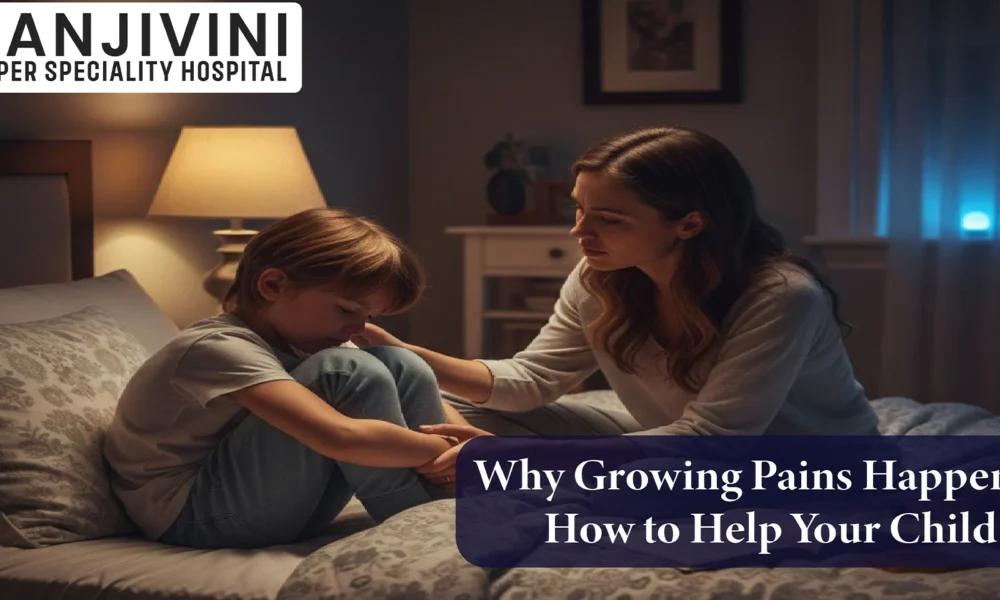
Why Growing Pains Happen & How to Help Your Child
Medically Verified by – Dr Jitendra Singh M.B.B.S, M.D (Pediatrician & Neonatologist)
Growing pains are one of the most common reasons parents start worrying. As when their child complains of leg pain or knee pain or foot pain and that too when it suddenly starts at night. Many parents keep thinking if this pain is normal or not, if their child is growing too fast or if something serious is wrong with the bones or joints.
But what’s good is that growing pains in children are usually not serious and they go away on their own. When you understand why growing pains happen and you can notice the signs. You also know what you can do at home to make your child feel better, then it becomes much easier to handle and you don’t need to worry so much.
This guide is made to help parents understand what growing pains are, when you need to see a doctor, and how doctors usually deal with this kind of pain in children.
What Are Growing Pains?
Growing pains in children refer to recurring episodes of muscle pain or deep aching discomfort, usually felt in the legs. Despite the name, they are not directly caused by bones growing longer, but they are closely linked to a child’s growth phase and physical activity levels.
These pains mostly affect the children between the ages of 3 to 12 years as this is considered the typical growing pains age group. The pain can appear in the evening or at night and disappear by the morning, thus allowing the child to resume its normal activities the next day. Parents notice:
- Leg pain in children after active days
- Child leg pain at night that wakes them from sleep
- Muscle pain in children without visible swelling or injury
Is Growing Pain Normal?
Yes, growing pain is normal and very common. Studies suggest that up to 30–40% of children experience the growing pains at some point during their childhood. These pains can be considered a type of pediatric bone pain or soft tissue discomfort that usually comes from the muscles getting tired after activity and from the body still developing.
The main thing to remember is that growing pains are not dangerous and they do not cause any lasting harm to the bones or joints. Most children outgrow them completely too.
Growing Pains Causes
Although the exact cause is not fully understood, doctors believe growing pains occur due to a combination of factors rather than rapid bone growth alone. Common growing pains causes include:
- Muscle fatigue from running, jumping, sports
- Overuse of leg muscles, especially during active play
- Developing muscles and bones that are still adapting
- Poor posture or flat feet, increasing strain on legs
- Lower pain threshold in some children
And that’s why many parents ask: “Do growing pains mean child is growing fast?” While growth spurts may coincide with the pain episodes still growth itself is not the direct cause.
Symptoms of Growing Pains
Recognizing the symptoms of growing pains helps parents differentiate them from injuries or medical conditions. It’s symptoms are:
- Pain in both legs, especially thighs, calves, or behind the knees
- Knee pain in children without swelling
- Foot pain in children after physical activity
- Growing pains at night that improve by morning
- Muscle pain in children rather than sharp joint pain
- No limping, fever, or redness
Children usually feel fine during the day, which is a key sign that the pain is not serious.
Growing Pains at Night: Why Do They Happen?
A lot of parents notice that their child starts complaining of leg pain at night even though the day was normal. This usually happens because the muscles used the whole day become tired and tight once the child lies down and rests. At the night:
- Muscle tension becomes more noticeable
- Children are more aware of discomfort
- Fatigue lowers pain tolerance
This explains why child leg pain at night often wakes children from sleep but disappears by morning.
Growing Pains vs Injury
It’s very important to understand the difference between growing pains and injury.
Growing pains:
- Affect both legs
- Come and go
- Do not cause swelling
- Improve with massage or rest
Injuries:
- Usually affect one area
- Cause persistent pain
- May show swelling, bruising, or limping
- Worsen with movement
If pain follows a fall or sports injury, consult an orthopedic doctor in Lucknow at Sanjivini Super Speciality Hospital for proper evaluation.
Difference Between Growing Pains and Arthritis
Sometimes parents think that this pain coming again and again could be arthritis. Knowing the real difference between growing pains and arthritis will helps reduce fear.
Growing pains:
- Occur at night
- No joint swelling or stiffness
- Child is active and pain-free during the day
Arthritis:
- Causes morning stiffness
- Swollen or warm joints
- Pain worsens with movement
- Requires care from an arthritis doctor near me
If symptoms include joint swelling or persistent stiffness, medical evaluation is necessary.
How to Relieve Growing Pains
Simple pain management techniques can provide quick relief and comfort.
Home Remedies for Growing Pains
Parents can try the following at home:
- Warm compress on legs before going to sleep
- Gentle massage for growing pains
- A warm bath to relax the muscles
- Make sure that child is drinking enough water
- Make them wear comfortable footwear
Massage and Stretching
Massage for Growing Pains
A gentle leg massage could be good for improving blood circulation and even relaxes tight muscles. Use slow and circular motions on calves and thighs for about 5 to 10 minutes.
Stretching Exercises for Children
By doing simple stretching exercises are helpful in preventing muscle tightness:
- Calf stretches
- Hamstring stretches
- Toe touches
- Gentle ankle rotations
Doing stretching before going to sleep is particularly helpful in reducing the nighttime pain.
Pain Relief for Growing Pains
Occasionally a mild pain relief medication can be recommended by your pediatrician. Avoid giving medication regularly without any medical advice. As proper pain management completely depends on comfort, reassurance, and lifestyle adjustments.
When to See a Doctor for Growing Pains
Although the growing pains are harmless but getting medical consultation from your doctor might be needed if:
- You feel pain during the day
- You feel pain only one leg
- There is swelling or redness
- The child is limping or avoids walking
- There is intense pain
- There is fever or weight loss
In cases like these it’s best to visit the best paediatric hospital in Lucknow or children hospital near me like Sanjivini Hospital in Gomti Nagar.Sanjivini Super Speciality Hospital in Lucknow offers comprehensive pediatric and orthopedic care under one roof. Parents can consult the best pediatrician in Lucknow for childhood musculoskeletal pain and if require an experienced best orthopedic doctor in Lucknow for further evaluation.
How Long Do Growing Pains Last?
Growing pains do last for months or even for a few years but the frequency of these pains reduces as the child grows older. Episodes come and go and gradually disappear by adolescence.
Are Growing Pains Serious?
Growing pains are not serious and do not indicate any type of bone disease or growth problems. Only with proper care and simple home remedies are enough as most children manage them very easily and continue normal activities.
Final Thoughts
By now you must have got that growing pains in children is just a normal part of childhood development. Once you know what is causing it and you can see the symptoms and you also know how to help your child feel better it really helps a lot and you also feel less worried.
While if ever feel unsure then at Sanjivini Super Speciality Hospital our doctors make sures that your child gets complete care at one of the most trusted pediatric healthcare centers in the region.
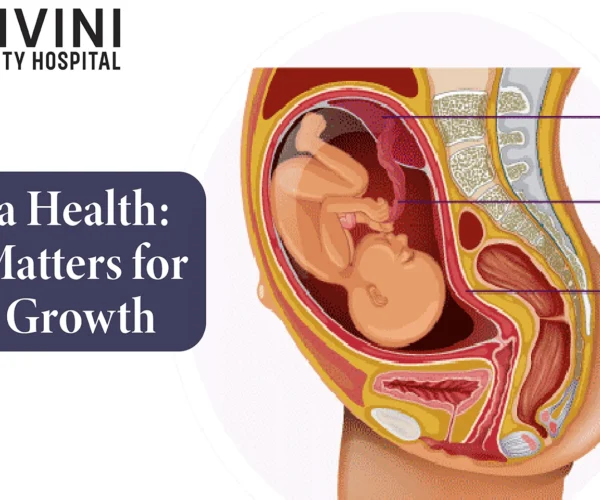
Placenta Health: Why It Matters for.
Placenta health during pregnancy plays a vital role in your baby’s growth and development. The placenta supplies oxygen, nutrients, and.
Read More
Sleep Patterns at Every Age —.
Sleep patterns in children change at every stage, from newborns to teenagers. Understanding age-specific sleep needs helps parents support healthy.
Read More