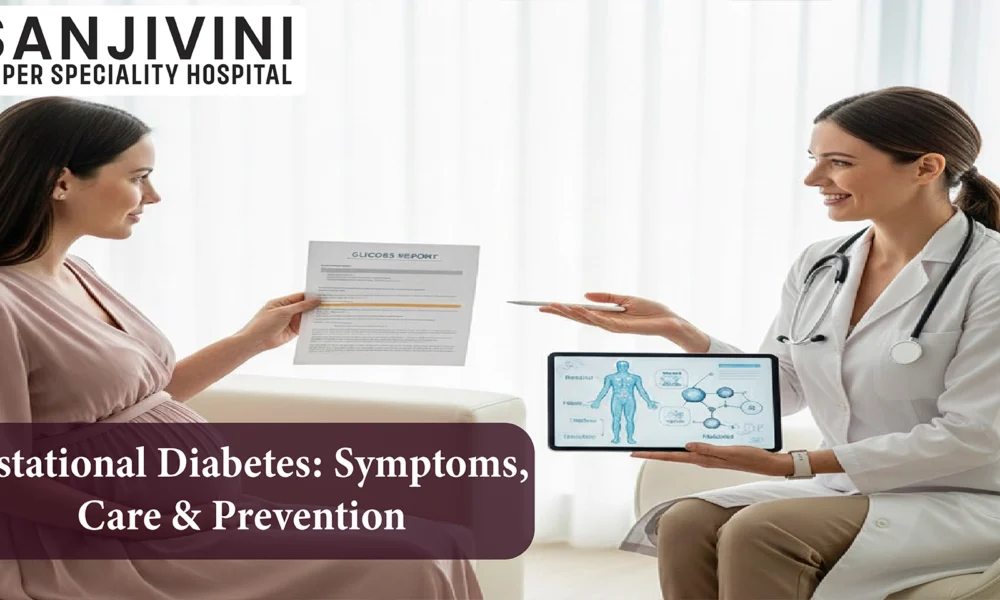
Gestational Diabetes: Symptoms, Care & Prevention
Medically Verified by – Dr Humaira Siddiqui M.B.B.S, M.S (Obs & Gyne)
Gestational diabetes is a widespread health issue that occurs in pregnancy. It affects how your body uses insulin and results in a high blood sugar during pregnancy. That might be terrifying but, with proper care, early diagnosis and simple lifestyle changes can allow most mothers to safely deal with it and deliver healthy babies.
Being aware of the symptoms, causes, and prevention methods of gestational diabetes means taking the right action at the right time. This guide explains the definition of gestational diabetes its affects on the mother and baby, some self-care strategies, treatment options and preventive tips. It also highlights when to visit a pregnancy expert to closely monitor and provide assistance in case of a high-risk pregnancy.
What Is Gestational Diabetes?
It is a temporary condition in which a woman develops high blood sugar levels during pregnancy, even if she didn’t have diabetes earlier.
The question that most pregnant women ask is: “What is gestational diabetes mellitus?”
Your question is answered as – Gestational diabetes mellitus (GDM) is a type of diabetes diagnosed for first time during pregnancy. It normally occurs during the second or third trimester when the body is unable to produce sufficient insulin to ensure blood sugar levels are in control.
Gestational Diabetes Causes
Firstly, understanding what causes gestational diabetes will enable you to better cope with pregnancy. Why it occurs:
- Because during pregnancy the placenta releases hormones that increases insulin resistance.
- The body of the mother requires additional insulin to maintain the normal sugar levels.
- When the body is unable to produce sufficient insulin, the blood sugar level increases.
The best gynecologist in Lucknow at Sanjivini Super Speciality Hospital pays close attention to these hormone variations at the regular prenatal check-ups to identify preceding insulin resistance.
Common gestational diabetes risk factors are:
- A family history of diabetes
- Overweight before pregnancy
- PCOS or hormonal issues
- Previous pregnancy with GDM
- Previous baby weighing more than 4 kg
- High blood pressure
- Sedentary lifestyle
- Age above 30
Even women without risk factors can develop GDM, that’s why routine screening is so important.
Gestational Diabetes Symptoms
Most women don’t experience noticeable symptoms, thus regular screening during pregnancy is so much important.
What are the symptoms of gestational diabetes?
- Frequent urination
- Increased thirst
- Fatigue
- Blurred vision
- Increased hunger
- Recurrent infections
These symptoms may overlap with normal pregnancy changes, so blood sugar tests are the only accurate way to diagnose GDM.
How Gestational Diabetes Affects the Baby
Many mothers often ask: “Does gestational diabetes affect the baby?”
With proper control, most babies can remain healthy and if the GDM is not controlled it may cause:
- Large baby (macrosomia)
- Difficult or C-section delivery
- Low blood sugar in newborn after birth
- Breathing problems
- High birth weight
- Premature delivery
- Increase lifetime risk of obesity or type 2 diabetes
Gestational Diabetes Treatment & Care
Once diagnosed, you can manage GDM with lifestyle changes and regular monitoring. The treatment include:
1. Diet Management
A nutrition plan help maintain stable glucose levels. Consider to include these in your diet:
- Whole grains
- Fibre-rich fruits
- Green vegetables
- Lentils and lean proteins
- Healthy fats like – nuts, seeds, olive oil
Limit the intake of:
- Sugar
- Sweets
- White rice and refined flour
- Fried foods
- Sugary drinks
For preventing sudden sugar spikes, you should eat small, and frequent meals.
2. Light Exercise
By doing physical activity daily will improve insulin response, so here are some safe options:
- Walking for 20–30 minutes
- Prenatal yoga
- Stretching
- Light household activity
But you should always consult your doctor before starting any exercise plan.
3. Blood Sugar Monitoring
Tracking your fasting and post-meal sugar levels regularly. As this helps to understand how your body is responding to food and activity.
4. Medication or Insulin (If Needed)
Sometimes only lifestyle changes are just not enough. Because of that your doctor might prescribe medicines or insulin to control your blood sugar levels during your pregnancy.
5. Regular Checkups
Women with GDM require closer monitoring and especially if it becomes a high risk pregnancy. To ensures your baby is safe and growing well, then your doctor might recommend you:
- More frequent ultrasounds
- Fetal growth scans
- Amniotic fluid checks
Gestational Diabetes Prevention
Women wants to know on how to prevent gestational diabetes. While it may not be 100% preventable still you can reduce its risk.
Tips for gestational diabetes prevention
- Maintaining healthy weight before and during pregnancy
- Staying physically active
- Following a balanced low-sugar diet
- Avoiding overeating or long gaps between meals
- Managing stress
- Getting good sleep
- Monitoring blood sugar if you had GDM in previous pregnancy
These are some simple steps that help you understand how to avoid gestational diabetes naturally.
How to Control Gestational Diabetes in Pregnancy
Mentioned below are the most effective gestational diabetes self-care practices:
- Sticking to doctor-approved meal plan
- Keeping meal timings consistent
- Walking after eating meals
- Monitoring blood sugar daily
- Keeping yourself hydrated
- Following prenatal vitamins as advised
- Avoiding high-carb snacks
- Choosing high-fibre foods
- Attending all prenatal checkups
Does Gestational Diabetes Go Away After Delivery?
The GDM usually goes away after childbirth but:
- It increases the risk of diabetes in future pregnancies
- It raises your lifetime risk of type 2 diabetes
- Your baby might also develop glucose-related problems later
This makes postpartum screening important after 6–12 weeks to ensure your blood sugar has returned to normal and to detect any early signs of diabetes.
Pregnancy & Diabetes Care at Sanjivini Super Speciality Hospital
At Sanjivini Super Speciality Hospital, expecting mothers are provided complete care through coordinated support from our pregnancy specialist, best diabetologist in Lucknow, and expert diabetes doctor in Lucknow. Our gynaecology and obstetrics team closely monitors the blood sugar levels, fetal growth and high-risk pregnancy markers to keep both the mother and baby safe.
Being one of the best gynecologist hospital in Lucknow, Sanjivini has and offers advanced diagnostic facilities, personalised diet counselling, insulin management guidance and continuous prenatal supervision — all under one roof for seamless pregnancy and diabetes care.
Frequently Asked Questions
What gestational diabetes means?
It is high blood sugar that develops during the pregnancy and usually disappears after the delivery of baby.
How does gestational diabetes affect the baby?
It may cause high birth weight, premature birth or breathing issues if uncontrolled.
How to control gestational diabetes?
Control by following balanced diet, exercise regularly, monitoring your sugar levels and taking insulin only if prescribed.
Can this diabetes be cured?
It can be cured for most women but GDM does goes away after the childbirth.
Which is the best maternity hospital in Lucknow?
In Lucknow Sanjivini Super Speciality Hospital has the best doctor for pregnancy and offers expert general medicine support.
Healthy Pregnancy Begins with the Right Care
Gestational diabetes could be managed with early diagnosis, healthy habits and expert medical support. And with the right treatment, most of the women experience safe pregnancies and deliver healthy babies. Get the complete pregnancy care, consultations along with that high-risk pregnancy management, by visiting Sanjivini Super Speciality Hospital in Lucknow.
For more pregnancy guidance, read our detailed blog on First Trimester Tips.
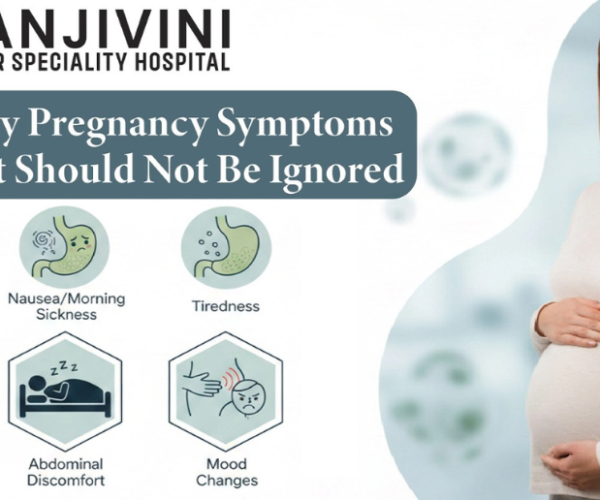
Early Pregnancy Symptoms That Should Not.
Early pregnancy brings many changes, from missed periods and nausea to fatigue and mood swings. While most symptoms are normal,.
Read More
Common Digestive Issues in Kids (Constipation,.
Digestive issues in kids are common and often worry parents. Problems like constipation, upset stomach, gas, loose motion, and changes.
Read More