
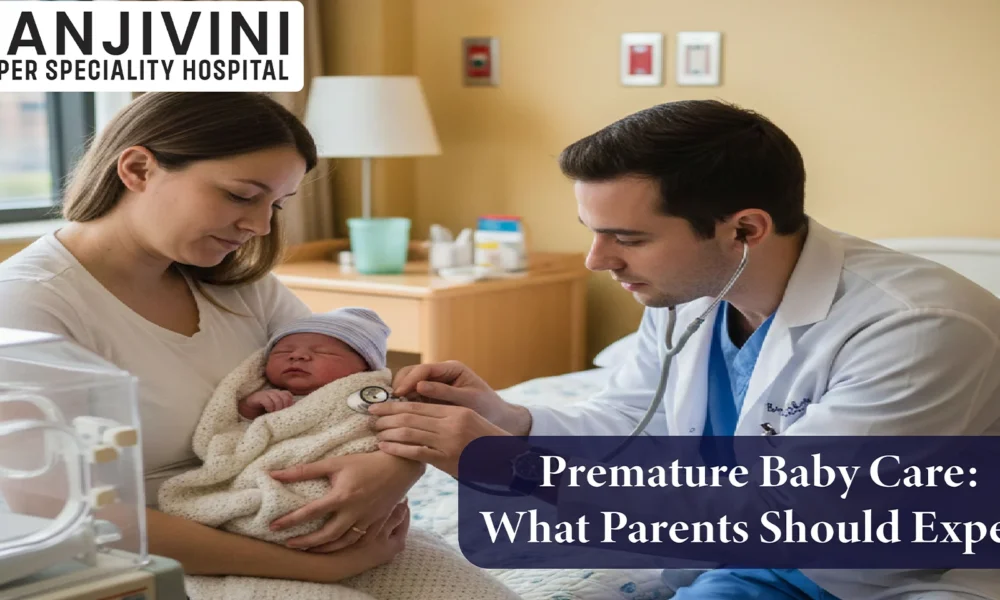
Premature Baby Care: What Parents Should Expect
Medically Verified by – Dr Jitendra Singh M.B.B.S, M.D (Pediatrician & Neonatologist)
The birth of a baby is always a very special and emotional moment for the parents. When a baby is born earlier than expected then it can create some fear and confusion for the parents. The babies who are born before 37 weeks of pregnancy are considered as premature baby. And these babies need extra care during their first days and weeks of life.
Premature baby care focuses on helping the baby to grow and make sures that he or she stays healthy. The premature babies may face some challenges at the beginning but advances in neonatal care have greatly improved survival and long-term health.
This guide explains what parents should expect in terms of care of premature babies, medical support, feeding, growth, and follow-up care.
Understanding Premature Baby Development
Premature babies are the babies that are born before their organs are fully developed, so their bodies need extra help to work properly. Premature baby development can be different from full-term babies and that too during the first few months. There are some common areas that need special attention:
- Lung development and breathing
- Feeding and digestion
- Body temperature regulation
- Immune system strength
- Weight gain and growth
- Neurological and sensory development
While this may sound overwhelming yet structured neonatal care make sures that each of these areas are being closely monitored and supported from birth.
Medical Care After a Premature Birth
Most premature babies are needed medical care right after birth. How early the baby was born usually determines whether they need to stay in a Neonatal Intensive Care Unit (NICU) or not.
NICU Care for Premature Babies
NICU care gives premature babies a very safe and controlled environment where they can be watched all the time. The NICU is designed in a way to help with:
- Help in breathing through oxygen or ventilators
- Temperature-controlled incubators
- Given nutrition through tubes if they cannot feed on their own
- Regularly check the baby’s heart rate, oxygen levels, and weight
- Protect the baby from infections.
Neonatologist care plays a crucial role during this stage. At Sanjivini Super Speciality Hospital specialists assess each baby every day and adjust care according to their needs.
Role of Neonatologists and Pediatric Neonatal Care
A neonatologist is a doctor who specialises in caring for newborns mostly for premature and critically ill babies. Neonatologists help with:
- Stabilizing any premature baby health issues
- Plan feeding strategies
- Monitor brain and organ development
- Guide parents through each stage of care
- Preparing families for discharge and home care
Premature Baby Feeding and Nutrition
Nutrition is very important for premature babies and an important aspect of premature baby care because proper feeding directly affects their growth, immunity, and their brain development
Premature Baby Feeding Challenges
Some premature babies might have trouble in sucking or swallowing or even digesting the milk. How a baby is fed totally depends on how early they were born and their health. Feeding options may include:
- Breast milk through feeding tubes
- Expressed breast milk
- Fortified milk to meet higher nutritional needs
- Gradual move to breastfeeding or bottle feeding
Breast milk is always preferred because as it helps the baby’s digestion and supports immunity. Feeding methods and quantities are adjusted carefully based on the baby’s ability and growth needs. Parents can also learn more about appropriate feeding amounts from guides like How Much Milk Does a Newborn Really Need? which explains feeding expectations in early life.
Premature Baby Weight Gain
Gaining weight steadily is a good sign which means that a baby is recovering and growing well. Doctors watch the baby weight carefully and adjust feeding plans as needed as to make sure that the baby grows healthy without overburdening their system.
Premature Baby Growth and Monitoring
Premature babies do not always grow in the same way as full-term babies and that too during the first year. Doctors usually check their growth based on the baby’s corrected age rather than the actual birth date. Premature baby monitoring involves:
- Regular weight, length, head circumference measurements
- Tracking developmental milestones
- Vision and hearing screenings
- Monitoring muscle tone and movement
- Immunisation planning
Regular monitoring will helps in spotting any problems early and allows timely care so the baby can grow healthy and strong.
Premature Baby Care at Home
Once the baby is stable then the doctors may allow them to go home. The premature baby care at home takes patience, routine as well as careful observation.
Caring for a Preterm Baby at Home
Parents can help their baby recover by:
- Maintaining a warm and clean environment
- Following the feeding schedules
- Practice hand hygiene properly
- Avoid going to crowded places initially
- Make sure baby gets adequate sleep and rest
- Keeping follow-up appointments on time
Premature baby medical care does not stop once the baby is discharged from the hospital. Go fo regular check-ups and monitoring continue to make sures the baby grows healthy and strong.
Common Premature Baby Health Issues
Some premature babies have got health problems because their organs are not yet fully developed. And most of these problems are temporary but they still need careful monitoring by doctors. Common premature baby health issues include:
- Breathing difficulties
- Feeding intolerance
- Jaundice
- Infections
- Delayed growth
- Developmental delays
Just with proper medical care, most of these conditions can be managed well and the baby can grow healthy over time.
Importance of Follow-Up Care
Follow-up care is very important for a premature baby after discharge from the hospital. These visits help doctors check how the baby is growing and developing, and these follow-up also help parents understand feeding, vaccinations, and all other daily care needs. Mostly it includes:
- Growth and nutrition assessment
- Developmental screenings
- Vision and hearing tests
- Vaccination planning
- Parental guidance and counselling
Taking the baby for regular visits to a children hospital near me helps maintain continuity of care and allows doctors to identify and address any issues early.
Choosing the Right Hospital for Premature Baby Care
Sanjivini Super Speciality Hospital in Lucknow is recognised as one of the best paediatric hospital in Lucknow, offering advanced care for premature and high-risk newborns.
The hospital’s Pediatrics and Neonatology takes care of babies from the time they need NICU support to the stage where regular follow-ups are required. The hospital has experienced doctors who monitor the baby’s progress. Feeding and growth plans are made based on the baby’s needs even parents are guided and counselled so they know how to care for their baby.
So families looking for best paediatrician in Lucknow could make a visit to Sanjivini Hospital for its experience, support, and approach to newborn care.
Frequently Asked Questions
How long does a premature baby need NICU care?
This mainly depends on how early the baby is born and how the baby is doing. Some babies need NICU care only for a few days while others may have to stay for many weeks.
Can premature babies grow normally?
Of course with the right care and nutrition, most premature babies do grow normally. As it may take some time yet they usually catch up as they grow.
What is the most important part of premature baby care at home?
The baby needs to be fed properly and kept clean and warm and should also be taken for regular check-ups to recover well.
When should I consult a doctor after discharge?
Consult a doctor while if your baby is not feeding well or has breathing problems or fever or is not gaining weight.
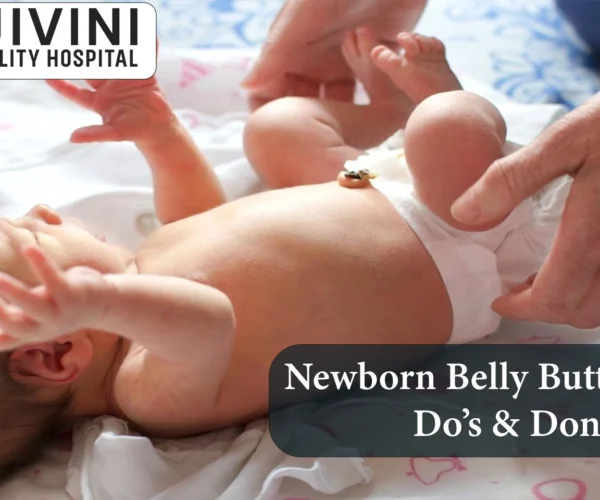
Newborn Belly Button Care – Do’s.
Newborn belly button care is essential during the first few weeks after birth to prevent infection and ensure proper healing..
Read More
Importance of Postnatal Checkups for Mother.
Postnatal checkups play a critical role in ensuring safe recovery for mothers and healthy growth for newborns. Regular follow-ups help.
Read More