
Why Do Babies Cry Differently? Understanding Hunger, Pain, and Sleep Cues
Medically Verified by – Dr Jitendra Singh M.B.B.S, M.D (Pediatrician & Neonatologist)
Crying is obviously the first way a baby communicates with his parents. Since newborns aren’t able to talk, what they do is express their feelings by crying. But not all cries sound the same though. Some maybe soft and steady. Others might be loud or urgent. This is why many parents wonder why babies cry differently and start thinking about what their baby is trying to say.
Parents should know these cries as this is a part of early parenting. A cry might mean that your baby is either hungry or he or she is tired. It could even mean the baby feels uncomfortable and not well. This guide looks at all common reasons why babies cry and there are some tips for parents as well.
Why Babies Cry Differently
Babies cry in different ways because each cry means something or the other. The sound of the cry, its loudness and even the length of the cry can hint at what all the baby is feeling. In the early months crying is the main way of infant communication cues. It’s how they show whether they are hungry, tired, or feel any type of pain.
Many things affect how a baby cries. It could be age or the nature and surroundings of the baby. The newborns often cry more and more as they adjust to the outside world. Knowing why babies cry differently can make things less stressful for the parents. It also helps them respond faster and in a way that meets the baby’s needs.
Common Baby Crying Reasons
Most baby crying reasons fall into a few main categories. Every baby out there is different but these patterns are seen often by the parents and doctors.
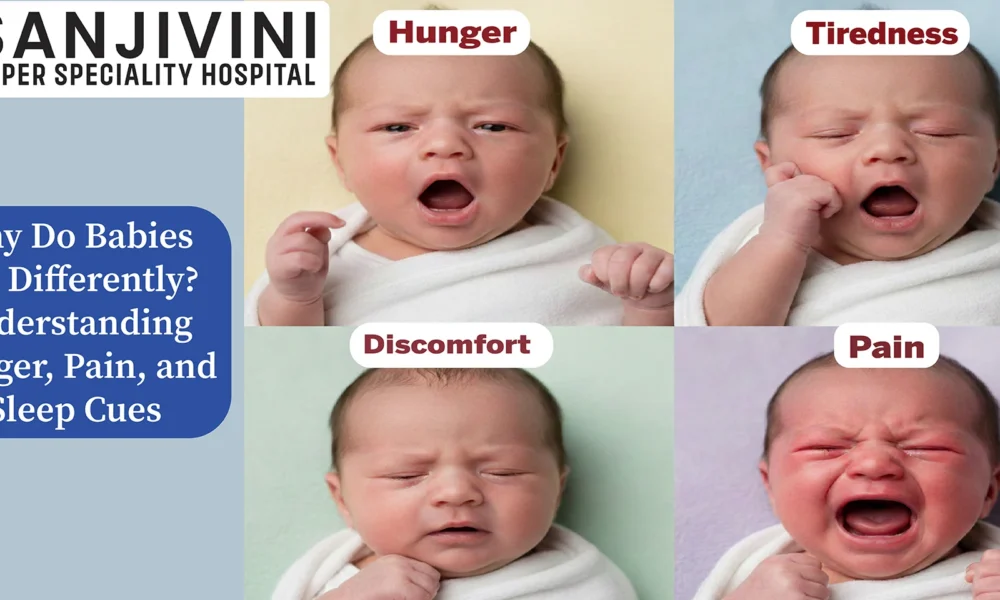
1. Hunger Cries
Hunger is one of the main reasons that babies cry, especially newborns. Baby hunger cues are seen before crying but once they get really hungry, the cry gets louder and louder. Signs of hunger include:
- Smacking or licking lips
- Turning their head toward touch (rooting)
- Sucking on hands or fingers
- Short, rhythmic cries that grow louder
Hunger cries are often repetitive and urgent. Feeding the baby will calm them quickly.
2. Sleep and Tiredness Cries
Babies cry when they’re too tired and can’t settle themselves. Baby sleep cues can be easy to miss as that can make fussiness even worse. Signs your baby is tired include:
- Rubbing eyes
- Yawning
- Slower movements
- Looking away from stimulation
Sleep-related cries do sound whiny or fussy rather than sharp. Helping the baby to relax in a calm and quiet space works best.
3. Discomfort and Environmental Crying
Baby crying and discomfort can also happen when babies are uncomfortable. The reason could be wet diapers, tight clothes, temperature changes, or colic can all cause this. These cries may sound irritable and continuous until the source of discomfort is addressed. Common discomfort triggers include:
- Soiled diapers
- Gas or bloating
- Overheating or feeling cold
- Loud noises or very bright lights
Once the discomfort is sorted then the crying of the baby usually stops.
4. Pain-Related Crying
Pain cries are sharper, more louder and more intense than other cries. Baby pain crying signs may include sudden onset crying that is difficult to soothe. Possible pain-related causes include:
- Ear infections
- Reflux
- Teething
- Fever or illness
Other pain cues in babies include a stiff body, facial grimacing or pulling legs toward the tummy, and learning gentle comfort techniques such as those explained in how to prepare your child for vaccinations without stress can help parents soothe babies during uncomfortable moments, along with timely pain management and medical evaluation by a neonatologist near me.
Newborn Crying Patterns
Newborn crying patterns are mostly in predictable phases that you can start to notice. The first few weeks the crying is about hunger or needing comfort. Crying often peaks around the 6 to 8 week mark and then it slowly lessens as babies try to learn to soothe themselves a bit more.
And remember that it’s normal for newborns to cry for 2–3 hours every day. But if the crying goes on for a very long time or nothing seems to calm the baby then we suggest you to talk to your doctor.
How to Understand Baby Crying
- Watch for patterns around feeding and sleep
- Notice if the cry changes in sound or strength
- Respond quickly and in the same way each time
- Check for anything that might be bothering the baby first
As time passes the parents start to recognize different types of baby cries and know how to respond to them.
When to Worry About Baby Crying
Crying is normal but sometimes it can mean something is wrong. Parents need to pay attention if the crying feels like it’s different than usual or happens alongwith other signs as well.
- Check with doctor if crying is very loud and does not stop
- Your baby keeps refusing to feed
- Fever or vomiting or loose motion
- Baby seems very weak or sleeps much more than usual
- Sudden crying that starts for no clear reason is another reason
In those cases, talking to a pediatrician is the best thing you can do to find out if there is a health problem and make sure your baby is okay.
Role of Pediatric and Neonatal Care
Getting help from medical professionals like a pediatrician can make a huge difference when it comes to understanding the crying patterns of babies. Pediatricians and neonatologists know how to spot health issues and can explain what is normal and what is not normal and needs attention. And even teach parents to learn simple ways on how to comfort their baby.
Parents here can consult the best pediatrician in Lucknow at Sanjivini Super Speciality Hospital. They will give you clear answers and proper diagnosis with that caring support for both babies and mothers.
Frequently Asked Questions
Why do babies cry differently?
Babies cry in different ways because it’s how they are expressing what they need. One cry may mean they are hungry. Another reason could be that they are tired or are not well.
How can I tell if my baby is crying from hunger or pain?
Hunger cries at first start soft and slowly it gets louder. They often come in a steady pattern. Pain cries are sudden and loud from the start. Watching your baby’s movements and when the crying starts will definitely help.
Is it normal for newborns to cry a lot?
This is normal as many newborns cry often and that too in the first couple of months. As they grow and settle into a routine then the crying becomes less.
When should I see a doctor for baby crying?
Newborn is crying too much or his/her crying is unusual or it’s associated with fever or with any of these factors then take them to a children hospital near me.
Understanding Cries Builds Confidence
We hope you must have got now why babies cry differently. When parents learn to notice when their baby is hungry or feels sleepy or is in pain it becomes easier to take care of them. The baby feels calmer and more secure as because their needs are understood now.
Even having the right support also helps parents feel less stressed. As with proper guidance and proper care from wellness centers like Sanjivini Super Speciality Hospital, parents can feel more at ease as they know that their baby is being looked after properly during these early months.

Toddler Behaviour and Emotional Development: Tips.
Toddler behaviour and emotional development shape how your child thinks, feels, and reacts during early childhood. Rapid brain growth, limited.
Read More
Postpartum Exercise: When and How to.
Postpartum exercise helps your body heal, regain strength, and reduce pain after childbirth. The right exercises, started at the right.
Read More